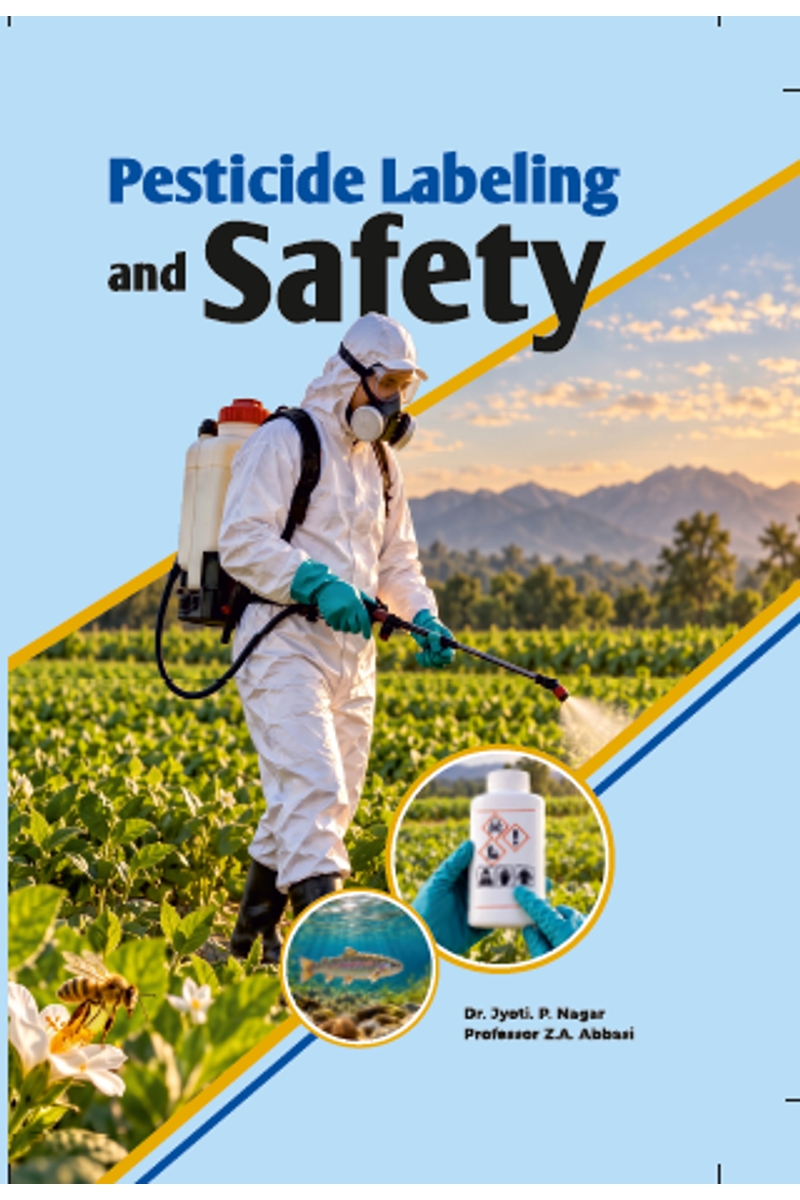
Pesticide Labelling and Safety
Author: Nagar J.P, Abbasi Z.A.
A comprehensive volume on pesticide labeling and safety would ideally serve as an essential reference for anyone handling, applying, or regulating chemical pest control products. The book would first establish the scientific and regulatory foundations that underpin modern pesticide safety, tracing the evolution of labeling from simple usage instructions to legally binding risk management documents. It would then guide readers through the intricate process of interpreting pesticide labels, explaining the meaning of signal words like Danger, Warning, and Caution, and detailing how to locate critical information such as active ingredients, first aid measures, and personal protective equipment requirements. The text would explore international standards and regulatory frameworks, comparing approaches across major jurisdictions including the United States Environmental Protection Agency, the European Union's regulations, and the Globally Harmonized System of Classification and Labeling. Occupational safety and exposure prevention would receive thorough attention, covering how labels dictate safe handling practices for agricultural workers, professional applicators, and home gardeners alike. The book would also address proper storage, transport, and disposal methods as mandated by labels, emphasizing how incorrect practices lead to environmental contamination and accidental poisonings. Environmental safety and ecological protection would be another core theme, examining label provisions designed to protect pollinators, aquatic life, groundwater, and non-target vegetation. Emergency response and poison management protocols would be presented with clarity, enabling rapid decision-making during accidental spills or exposure incidents. The volume would further discuss communication strategies and public awareness campaigns that translate complex label information into accessible messages for diverse audiences, including non-English speaking farmworkers. Technological innovations, such as scannable codes linking to digital safety data sheets and mobile applications for label lookup, would be explored alongside sustainable practices and future perspectives, including reduced-risk products and integrated pest management. Throughout, the book would reinforce that the pesticide label is not merely a sticker but the primary instrument of safety, law, and environmental stewardship.