Pesticide Ecotoxicology
Author: Nagar J.P & Abbasi Z.A.
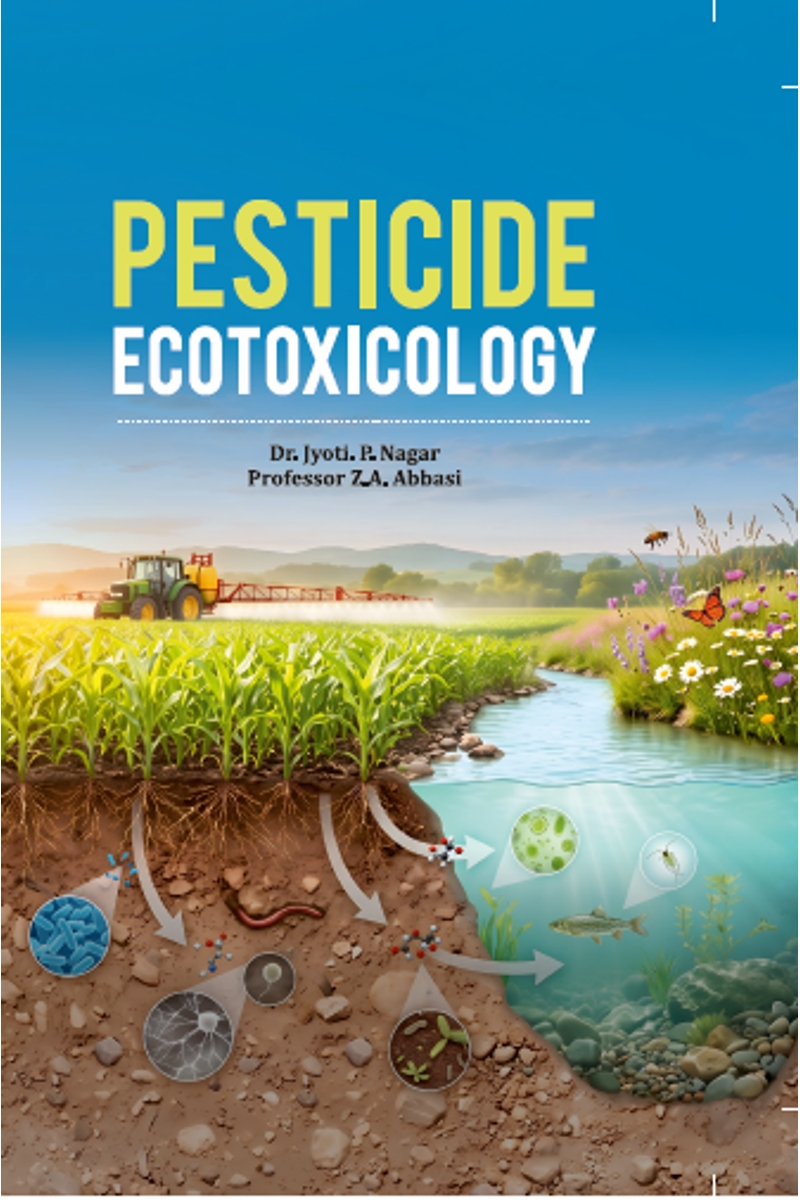
Pesticide ecotoxicology serves as a critical academic cornerstone for understanding how chemical agents interact with diverse environmental matrices. This field moves beyond traditional toxicology by examining the cascading effects of pesticides on non-target species and entire biological communities. It integrates principles of chemistry, biology, and environmental science to track the movement of toxins through soil, water, and air. By focusing on both acute mortality and subtle sub-lethal physiological changes, the discipline provides a framework for assessing long-term ecological stability.
The text emphasizes the importance of rigorous risk assessment and regulatory protocols in managing chemical exposure. It explores the concepts of bioavailability and bioaccumulation, detailing how hydrophobic compounds transition through various trophic levels. By analyzing the "cocktail effect" of multiple stressors, the book offers a comprehensive perspective on biodiversity loss and ecosystem resilience. This overview remains focused on the mechanical and biological realities of chemical interference within the natural world.